

U.S. President Donald Trump declared that the United States will assume temporary control over Venezuela following a military operation that resulted in the capture of Venezuelan President Nicolás Maduro and his wife. In a press briefing, Trump said American forces will oversee governance in Caracas until a “safe, proper and judicious transition” can be arranged. He also outlined plans for U.S. oil companies to rebuild Venezuela’s long-neglected oil infrastructure and bolster production from one of the world’s largest crude reserves.
The operation, carried out in the early hours of January 3, involved U.S. forces extracting Maduro from Caracas by helicopter and transporting him first to the USS Iwo Jima and later to federal custody in New York. Maduro faces multiple allegations, including narcotics-related charges, in the U.S. District Court for the Southern District of New York. Attorney General Pam Bondi confirmed the indictment, and the Maduro squad’s transfer to New York was depicted by the administration as a law enforcement action rather than an act of war.
U.S. Plans to Rebuild Venezuela’s Energy Sector
President Trump characterized Venezuela’s oil industry as “broken” after years of underinvestment, mismanagement and sanctions. He asserted that major American oil companies will invest billions of dollars to repair infrastructure and restart output, proposing that the revived energy sector will benefit both Venezuela and U.S. interests. Trump specifically said that the largest U.S. energy firms will restore operations and “start making money for the country.”
Venezuela is believed to hold approximately 303 billion barrels of crude, representing one of the largest proven oil reserves globally. Analysts see potential economic value in unlocking this resource, but experts caution that decades of decay, sanctions, and political instability mean that recovery will be slow and expensive. U.S. energy companies, including Chevron, the only major American firm with an existing Venezuela presence under prior licensing, have so far responded cautiously to these announcements.
Governance Uncertainty and Local Response
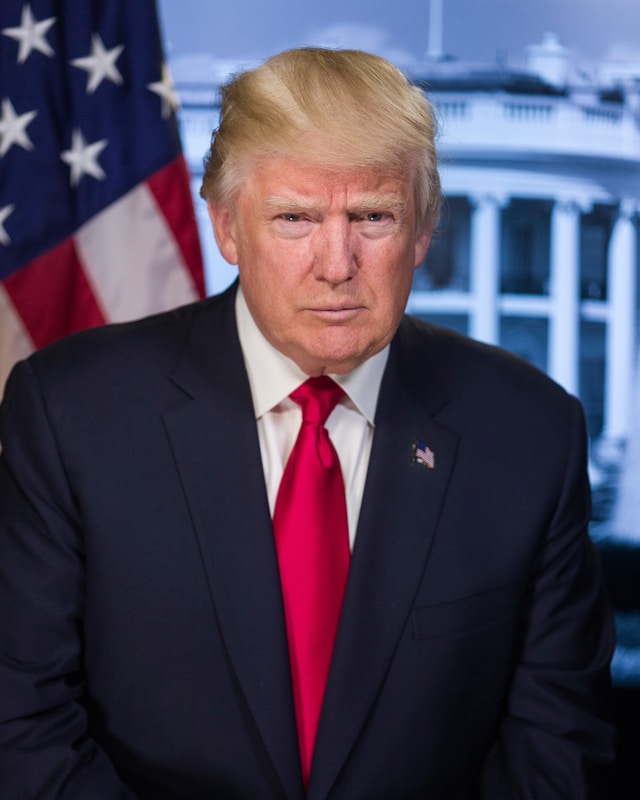
Trump stated that a U.S.-aligned group will manage Venezuela temporarily, although he provided few details on who would lead day-to-day governance. Secretary of State Marco Rubio was referenced as having spoken with Venezuela’s vice president, Delcy Rodríguez, on potential arrangements, and Trump suggested Rodríguez expressed willingness to cooperate with U.S. directives.
However, Rodríguez publicly refuted U.S. claims and reaffirmed Maduro’s legitimacy, setting the stage for political contention within Venezuela. The tension reflects deeper uncertainty about who actually controls state functions on the ground, especially as Venezuelan institutions and armed forces have not formally dissolved existing power structures.
International Reaction and Legal Questions
Venezuela’s government declared a national emergency in response to the strikes and the capture of its leaders, condemning the U.S. intervention as “military aggression.” Major global powers, including Russia and China, criticized Washington’s actions, while several Latin American governments also voiced concern about the use of force and potential violations of sovereignty.
Legal experts have raised questions about the constitutionality and international law implications of the U.S. operation, particularly given that it was carried out without congressional authorization. The United Nations Security Council convened an emergency session to discuss the situation, underscoring its diplomatic ramifications. Critics argue that the justification given, a broader counter-narcotics objective tied to long-standing indictments against Maduro, does not clearly align with established legal norms governing military interventions.
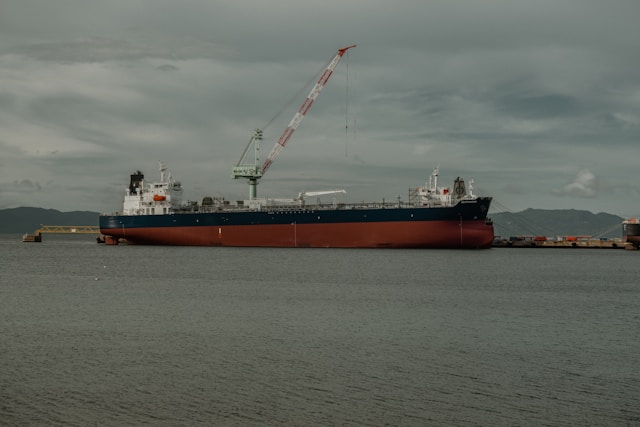
Oil Industry Prospects and Challenges
Trump’s remarks spotlighted Venezuela’s potential as an energy powerhouse, but they also revealed skepticism among oil sector executives. U.S. firms have remained largely silent on detailed investment plans, and analysts note that restoring production capacity will require extraordinary capital and time. Venezuela’s oil infrastructure has deteriorated due to years of underinvestment and mismanagement, and global markets reacted with muted price changes, reflecting uncertainty about how quickly production might rebound.
Shares in U.S. oil companies did rise on expectations of access to Venezuelan reserves, with firms like Chevron, Phillips 66, and Marathon Petroleum seeing notable gains. However, industry observers caution that operational risks and the logistics of rebuilding facilities, many of which have fallen into disrepair, present long-term obstacles to a swift energy comeback.
Broader Implications and Unanswered Questions
Trump’s declaration that the United States will “run” Venezuela, even temporarily, marks an extraordinary shift in U.S. foreign policy and has triggered mixed reactions both domestically and abroad. Some see it as a decisive action against a regime the U.S. has long opposed, while others warn it sets a precedent with potentially destabilizing consequences for regional diplomacy.
Key uncertainties remain unresolved. It is not clear how U.S. governance will be structured, who will represent American oversight on the ground, or how Venezuelan civil society will respond. The economic viability of Trump’s oil-centric strategy also depends on outcomes that may not materialize for years, given infrastructure challenges and geopolitical resistance.