

In the closing months of 2025, multiple political, economic, and social developments captured attention across the United States and the globe. Below is a year-end retrospective of stories that shaped public discourse and market sentiment as the year drew to a close, highlighting how political gridlock, policy debates, and major world events influenced Main Street to Wall Street.
Political Gridlock and Governance Challenges
As 2025 waned, political stalemates in Congress and statehouses underscored enduring partisan divides. Legislative impasses over spending, debt ceilings, and regulatory priorities prolonged uncertainty around government funding and fiscal planning, contributing to broader economic nervousness. These stand-offs reflected deeper tensions within federal and state leadership, where competing priorities often slowed or stalled key proposals. Amid these debates, public confidence in political institutions remained challenged, with voters and business leaders alike watching how unresolved issues might affect 2026 agendas.
Scandals, Investigations, and Public Scrutiny
Several high-profile political scandals and investigations emerged in late 2025, drawing intense media coverage. These included inquiries into governance practices and executive decisions that reverberated through both partisan and non-partisan communities. Commentary on these developments highlighted how public trust and accountability were shaped by scrutiny over official conduct, with legal and ethical questions intensifying debates as the year ended.
Market Reactions to Policy and Uncertainty
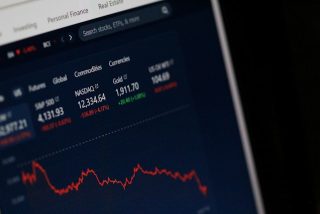
Financial markets experienced notable volatility in late 2025, influenced in part by fiscal policy debates and central bank signals. While broad indices showed resilience, investor anxiety remained elevated as economic data releases were delayed and tariff policies weighed on global trade sentiments. In some weeks, stock benchmarks swung sharply in response to mixed macroeconomic signals, illustrating how intertwined politics and economic confidence had become. Analysts pointed to uncertainty about interest rates and international trade as key drivers of market behavior heading into 2026.

Ongoing Global Flashpoints
In addition to domestic turbulence, major global events continued to shape public discussion in the final months of 2025. Conflicts in regions such as the Middle East, including tense ceasefires and sporadic violence, remained unresolved, affecting diplomatic efforts and geopolitical stability. Polarizing global policy debates from migration to energy transition and security alliances further underscored how interconnected international issues were entering the new year. These developments influenced global markets and foreign policy planning while fueling broader debates about regional security.
Societal and Cultural Flashpoints
Public engagement around social movements, climate events, and civic activism also marked the year’s end. Environmental crises such as record storms, fires, and temperature extremes spurred ongoing discussions about infrastructure and disaster preparedness. Protests and advocacy around civil rights, economic equity, and governance transparency continued to shape national conversations, reflecting deep public investment in community well-being and future political direction.
High-Profile Departures and Institutional Shifts
In the last quarter of 2025, several notable resignations, retirements and leadership changes across corporate, media, and public sectors drew attention. These transitions often prompted reflection on institutional legacies and future direction, signaling shifts in leadership styles and priorities. Commentators noted that these changes came amid broader demands for institutional accountability and responsiveness, themes that are likely to continue shaping institutional narratives in 2026.
Foundations for 2026
Taken together, the stories that closed out 2025 highlighted a year marked by political friction, economic adjustment, and global discord and set expectations for a highly dynamic 2026. Analysts emphasized that the unresolved policy debates and institutional shifts of late 2025 will influence legislative priorities, market strategies, and international diplomacy in the months ahead. As public institutions, businesses, and communities digest the final year’s events, many observers stressed that adaptability and resilience will be central to navigating the emerging year’s challenges and opportunities.