

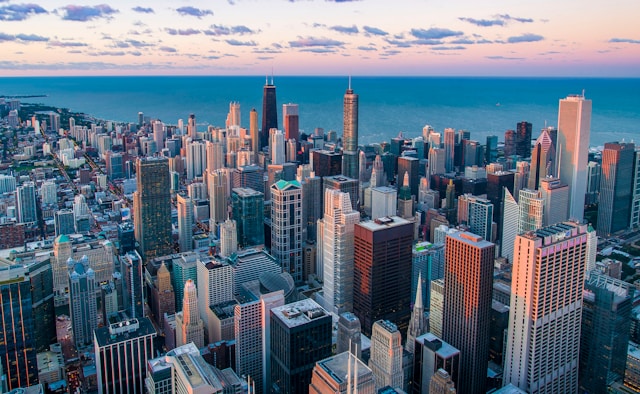
The latest World’s Best Cities ranking highlights urban centers that blend culture, livability, and prosperity. Underpinning these rankings are economic dynamics that help the top cities not only attract visitors and residents but also sustain long-term investment, business growth, and job creation. In examining why certain cities rise to the top, it becomes clear that economic strength is among the most decisive forces shaping global metropolises today.
Prosperity as a Core Pillar
Resonance Consultancy, the firm behind the ranking, uses a composite Place Power™ Score that combines metrics for livability, lovability, and prosperity. The latter dimension reflects a city’s economic performance through indicators such as business activity, labor force participation, educational attainment, connectivity, and overall economic impact. Prosperity effectively measures a city’s ability to create opportunity and sustain economic momentum.
Economic output, corporate presence, and investment flows are critical components of prosperity. Cities that score highly not only generate significant GDP but also attract global capital, talent, and enterprise headquarters. These factors solidify their roles as engines in the global economy and tie their long-term competitiveness to economic fundamentals.
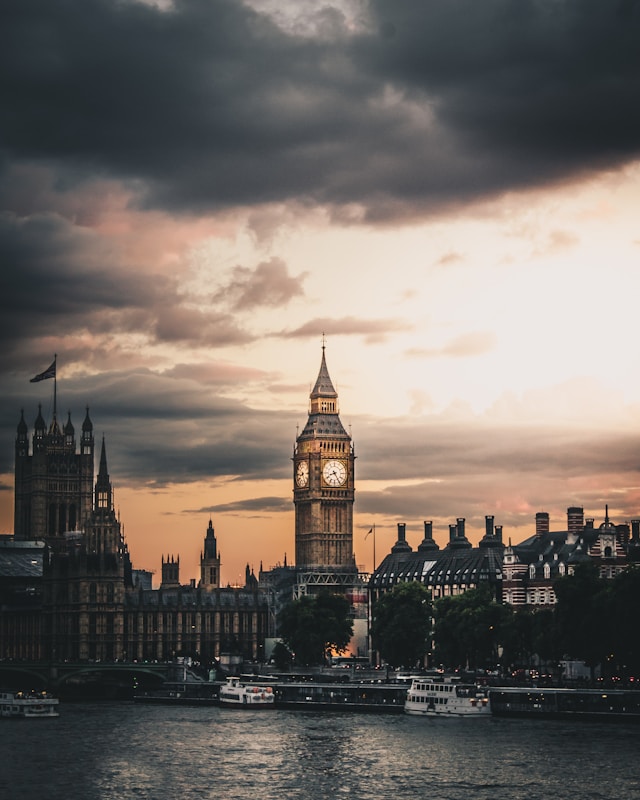
London: Economic Connectivity Meets Global Influence
At the top of the 2026 list, London has sustained its #1 position for the eleventh consecutive year. Its economic strength is rooted in a diversified base that includes finance, technology, tourism, and corporate services. The city’s airports, ranked among the world’s busiest, also contribute to its economic prowess by facilitating trade, travel, and business connectivity.
London’s prosperity is reflected in sustained foreign direct investment, a robust service sector, and a corporate landscape that absorbs global capital. Recent data show substantial U.S. commercial real estate investment, signaling confidence from international investors. Its financial sector remains a magnet for global capital markets despite political and currency fluctuations.
This economic vibrancy feeds into broader urban dynamics. Infrastructure upgrades, regeneration projects, and corporate relocations further accelerate job creation and economic expansion, solidifying London’s position as a global power center.
New York: America’s Economic Powerhouse
New York City ranks second in the World’s Best Cities ranking, anchored by its economic scale and diversity. It is widely recognized as one of the engines of the global economy, with strengths in finance, media, technology, and creative industries. A separate Global Cities Index analysis placed New York among the top cities worldwide for economic output and human capital.
Large-scale infrastructure initiatives, including airport modernization and transit improvements, reinforce the city’s economic connectivity. These projects not only enhance mobility but also support a high volume of commercial activity. New York’s economic performance is further driven by its deep labor markets and dense corporate ecosystem, attracting businesses and workers from around the world.
Tourism also plays a substantial economic role; tens of millions of visitors annually contribute billions in spending on hospitality, retail, and services. Even as international travel patterns fluctuate, domestic demand supports robust economic flows, an important buffer in uncertain global conditions.
Paris and Tokyo: Sustained Growth and Economic Renewal
Paris and Tokyo consistently rank near the top, and their economic profiles reinforce why they remain global powerhouses. Paris combines a rich cultural heritage with significant investment in urban renewal and infrastructure, enhancing its attractiveness for business and tourism alike. Its economic performance is supported by a dynamic labor market, extensive transport networks, and strong corporate presence in sectors such as luxury goods, aerospace, and digital services.
Tokyo, while known for its meticulous urban planning and stability, also draws on a deep economic base that includes manufacturing, technological innovation, and high levels of human capital. As one of the world’s largest metropolitan economies, Tokyo’s role in finance and global supply chains underscores its structural economic resilience.
Emerging and Established Economic Hubs
Beyond the top tier, other cities illustrate how economic attributes can elevate urban standing. Cities like Singapore and Madrid combine business-friendly environments with strategic regional positioning. Singapore’s high GDP per capita, robust regulatory frameworks, and connectivity make it an economic gateway for Asia-Pacific markets, while Madrid benefits from a growing tech scene and rising investment in urban infrastructure.
Even cities outside the top ten demonstrate strong economic narratives. For example, Houston continues to outperform many peers on traditional economic measures such as corporate presence and job creation, even as it faces challenges in livability measures. Its continued growth in sectors such as energy, logistics, and technology highlights how focused economic sectors can underpin broader metropolitan success.

Economic Strength Versus Livability
Although prosperity is a major factor, it does not operate in isolation. Cities that thrive economically tend to be those that balance business opportunity with liveability and cultural richness. Economic base alone does not guarantee a top ranking; urban centers must also attract and retain talent, support a high quality of life, and offer amenities that sustain human capital. This intersection of economics with social and cultural factors explains the consistent performance of cities like London, New York, Paris, and Tokyo.
For example, economic power attracts multinational firms and high-value jobs, but if these cities fail to provide livable conditions, such as affordable housing, efficient transport, and environmental quality, their long-term competitiveness could wane. The integrated Place Power™ approach used in ranking reflects this reality, emphasizing that economic appeal is only one facet of urban success.
Uncertainties and Contextual Limitations
While rankings offer insight into economic performance and appeal, they also reflect limitations inherent in composite indices. Metrics such as online perception data and user-generated content used alongside core statistics may introduce subjective biases. Furthermore, the emphasis on cities with populations above one million means that economically vibrant smaller cities are not represented, potentially skewing perceptions of broader urban trends.
The direct link between economic performance and quality of life can vary significantly by region. A city might score high in prosperity due to business output or corporate presence but face housing affordability crises that affect long-term livability. Understanding these nuances is essential for interpreting what economic rankings truly indicate about a city’s overall strength.
What Economic Leadership Means for the Future
Cities at the top of the World’s Best Cities rankings exemplify the interplay between economic infrastructure, talent attraction, cultural capital, and strategic investment. Their ability to leverage economic assets to support growth in technology, services, and creative industries underpins sustained urban dynamism.
Economic strength remains a core driver of global urban success, shaping not only where people choose to live and work but also where investors place their bets. As global capital shifts and new industries emerge, cities that blend economic opportunity with livability and cultural vibrancy are likely to remain competitive nodes in the global urban network.