

For many Americans, the economic headlines about inflation seem disconnected from daily life. While official reports suggest that the rate of price increases has slowed in recent months, shoppers still feel the pinch at grocery stores, gas pumps, and in their monthly bills. Understanding why inflation continues to affect household budgets and what it could mean in the months ahead, requires examining the economic drivers, the sectors that matter most to consumers, and practical steps households can take to adjust.
Beyond the Headlines
Inflation is commonly defined as the rate at which the general level of prices for goods and services rises over time, reducing the purchasing power of money. Economists track inflation through measures such as the Consumer Price Index (CPI) and the Personal Consumption Expenditures (PCE) price index. While these measures provide a broad overview, they can mask the uneven impact of rising costs across different categories.
For instance, energy prices may fluctuate significantly due to geopolitical events, while housing and healthcare costs typically increase steadily over years. According to the U.S. Bureau of Labor Statistics, average consumer prices have grown more slowly than during the peak inflation months of 2022–2023, yet families still report feeling price pressures, especially on essentials like groceries, rent, and transportation.
This disconnect arises because inflation is not just a macroeconomic phenomenon; it interacts directly with the patterns of household spending. If your personal expenses are heavily weighted toward categories that remain costly, your “felt” inflation is higher than the national average.
Why Prices Haven’t Dropped Uniformly
Several factors contribute to why many Americans continue to feel the impact of inflation. First, supply chain disruptions, although less severe than during the pandemic, continue to affect the cost of goods. Even minor delays or shortages can ripple through retail prices. For example, electronics, home appliances, and vehicles can remain more expensive than pre-pandemic levels due to lingering logistical challenges and higher shipping costs.
Second, labor costs are an ongoing contributor. Many sectors, particularly retail, hospitality, and healthcare, face labor shortages that drive wages higher. Businesses often pass these costs on to consumers through higher prices. For families, this can translate into pricier restaurant meals, childcare, and home services.
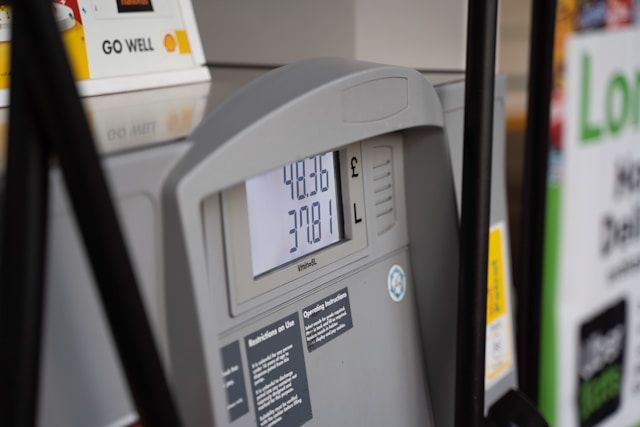
Third, energy markets remain volatile. Oil and gas prices are sensitive to global supply dynamics, geopolitical tensions, and seasonal demand shifts. Even if national inflation metrics show moderation, spikes at the gas pump or higher heating bills can have an immediate and noticeable effect on household budgets.
Finally, housing costs continue to grow in many areas. Rent and home prices have outpaced wage growth in several regions, creating a financial squeeze. While interest rates on mortgages have begun to stabilize, the cumulative effect of several years of price increases continues to affect renters and homeowners alike.
The Psychological Factor
Inflation is as much a perception problem as a numerical one. People tend to notice and remember price increases for everyday items they purchase frequently, such as groceries, gasoline, and utility bills. This “everyday basket” effect can make inflation feel persistent even when official metrics suggest a slowdown.
Behavioral economists call this phenomenon the “sticky price effect.” Prices for necessities tend to rise steadily and are slow to fall, giving consumers the sense that everything is more expensive, even if discretionary goods like electronics or furniture have stabilized or declined in price.
Additionally, media coverage often highlights rising costs and economic uncertainty, reinforcing the perception that inflation is ongoing. This combination of real price increases in essentials and heightened awareness creates a sense of financial pressure that many Americans feel acutely in 2026.
How Inflation Affects Different Parts of the Budget
The impact of inflation is not uniform. Certain areas of household spending feel the effects more immediately:
Groceries: Food prices remain sensitive to global supply and weather conditions. For example, droughts or supply chain interruptions can affect the cost of vegetables, grains, and meat. Families report noticeable increases in weekly grocery bills, which can strain budgets.
Housing and Rent: Homeownership and rental costs continue to rise in many regions. Even with mortgage rates stabilizing, the cumulative impact of higher home prices over the past several years means households spend more on shelter relative to income.
Energy and Utilities: Gasoline, heating oil, and electricity prices fluctuate based on global markets, seasonal demand, and infrastructure costs. Sudden spikes, such as cold snaps in winter, can create a sharp financial burden.
Services: Higher wages in service sectors, from childcare to dining out, can lead to incremental price increases across routine expenses. Consumers may notice that their favorite restaurants or local service providers are charging more than in previous years.
Discretionary Spending: While luxury goods or nonessential items are less critical, inflation in this area can affect overall household budgeting decisions. Some consumers may defer vacations, electronics purchases, or home renovations in response to broader price pressures.
Coping Strategies for Households
Even as inflation moderates nationally, families can take concrete steps to protect their budgets and maintain financial stability.
Reassess the Grocery List: Buying seasonal produce, exploring store brands, and taking advantage of bulk purchasing can help reduce food costs. Meal planning also minimizes waste and unnecessary spending.
Monitor Energy Usage: Simple steps like adjusting thermostats, using energy-efficient appliances, and comparing electricity providers where possible can limit the impact of fluctuating utility costs.
Review Housing Expenses: Renters might consider negotiating leases or exploring shared housing options, while homeowners can look into refinancing or locking in fixed-rate mortgages if interest rates become favorable.
Track Spending: Understanding where money goes helps households prioritize essential expenses and identify areas for temporary cutbacks. Budgeting apps or spreadsheets can provide insight and control.
Build an Emergency Fund: Maintaining a cash reserve can help absorb unexpected costs, from sudden car repairs to spikes in energy bills, reducing the stress of inflationary pressures.

What the Future May Hold
Economists caution that while headline inflation rates may continue to ease, certain cost pressures are likely to persist. Food, energy, and housing, categories that dominate household spending, are especially susceptible to supply constraints, climate impacts, and regional economic dynamics.
Additionally, global events such as geopolitical tensions or disruptions in trade can influence prices unexpectedly. While policymakers, including the Federal Reserve, aim to stabilize the economy through interest rate adjustments and other tools, households must remain adaptive and proactive in managing their own finances.
Why Understanding Inflation is Essential
Feeling the effects of inflation is not just a personal inconvenience, it has broader implications for economic behavior. Persistent price pressures can influence spending patterns, saving habits, and investment decisions. Understanding why prices rise, which areas are most affected, and how to respond can empower consumers to make informed choices and avoid reactive financial decisions that might worsen long-term outcomes.
Ultimately, inflation is a complex interplay of global markets, local conditions, and individual behaviors. Recognizing the areas where it impacts daily life and taking practical steps to manage expenses, allows households to protect their purchasing power, reduce stress, and maintain financial stability even as economic conditions continue to evolve.