


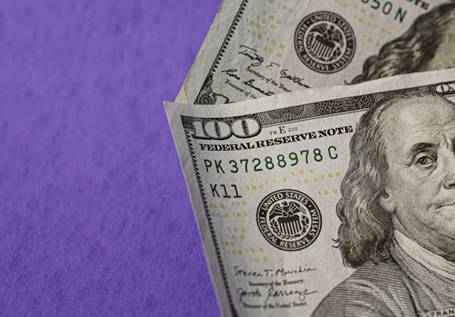
The value of the U.S. dollar plays a central role in the global economy. As the world’s dominant reserve currency, movements in the dollar’s strength, typically measured against other major currencies by indices like the U.S. Dollar Index (DXY), have powerful effects that ripple across borders. When the dollar strengthens, it represents changes in borrowing costs, trade competitiveness, investor confidence, inflation pressures, and economic growth prospects around the world. Emerging economies today are navigating these dynamics in a period of heightened volatility and tightening global financial conditions.
What Makes a Strong Dollar
When economists refer to a “strong dollar,” they’re describing a situation where the U.S. currency gains value relative to other currencies. This can happen for many reasons: expectations of higher U.S. interest rates, global uncertainty driving investors toward safe-haven assets, or divergence between U.S. economic performance and that of other regions. A strong dollar typically translates to:
- Higher purchasing power for dollar holders
- More expensive U.S. exports on the global market
- Lower relative value of other currencies
Current geopolitical tensions have reinforced the dollar’s safe-haven appeal and pushed its value higher on certain trading days. Analysts note that uncertainty often sustains investor support for the dollar as a haven asset.
Why Emerging Economies Are Particularly Vulnerable
Emerging market economies face unique challenges when the dollar strengthens, and these stems from several structural features of their financial systems and trade relationships.
Heavier Debt Burdens
Many emerging economies carry significant amounts of debt that is denominated in U.S. dollars. When the dollar gains strength:
- Servicing these debts becomes more costly in local currency terms
- Government budgets face increased strain
- Corporate borrowers find repayment more expensive
This dynamic tightens fiscal space and increases the risk of defaults or economic instability. A stronger dollar essentially forces these countries to exchange more of their local currency to acquire the dollars needed for repayments, amplifying debt burdens and fiscal pressure.
Slower Economic Growth and GDP Impact
The International Monetary Fund (IMF) has highlighted that the negative impact of dollar appreciation is often more pronounced in emerging economies than in advanced ones. Specifically, a 10% appreciation of the U.S. dollar has been associated with a reduction in real GDP growth in emerging markets of around 1.9% within one year, with effects persisting for over two years.
This slowdown occurs through multiple transmission channels:
- Reduced domestic demand as real income falls
- Costlier imports (especially energy and intermediate goods)
- Higher capital outflows and reduced investments
In contrast, advanced economies feel milder and shorter-lived impacts from a strong dollar, illustrating how sensitive emerging markets are to currency fluctuations.
Currency Depreciation and Inflation Pressures
As the dollar appreciates, many emerging market currencies weaken in response. This depreciation makes dollar-priced imports, such as fuel, machinery, and essential commodities, significantly more expensive. Because most global trade and commodity pricing is denominated in dollars, this dynamic places inflationary pressure on emerging markets.
To counter rising inflation, central banks in these countries often raise interest rates, which in turn slows economic growth further. For example, nations like South Africa and Turkey have had to navigate this difficult adjustment, where weaker local currencies inflate import costs and tighten consumer purchasing power.
Capital Outflows and Investment Shifts
When the dollar strengthens, often alongside expectations of higher U.S. interest rates, global investors tend to re-allocate capital to U.S. assets that offer safer returns. This shift can trigger capital outflows from emerging markets, leading to:
- Declines in equity and bond prices
- Weaker local currencies
- Higher volatility in financial markets
Emerging markets often depend on foreign investment to fuel growth and infrastructure development. A stronger dollar can disrupt these capital flows, making financing more expensive and creating liquidity shortages.
Trade Competitiveness and Export Dynamics
The trade impacts of a strong dollar are mixed but significant for emerging markets. While a stronger dollar makes U.S. exports more expensive and imports cheaper for American consumers, emerging market exporters also feel secondary effects:
- Local exporters may see weaker demand if global trade slows
- Imported raw materials become costlier
- Trade balances can worsen, especially for countries reliant on imported inputs
Some aspects, such as increased competitiveness of local exports in dollar terms due to weaker local currencies, may provide slight benefits. However, these are often outweighed by the broader cost pressures on production and supply chains.
Fiscal and Policy Pressures
The policy responses to dollar strength can introduce their own challenges. To defend a weakening currency, some emerging markets tighten monetary policy, raising interest rates to attract capital. While this may help stabilize the currency, it comes at the expense of domestic investment and consumer demand. Other governments may enact capital controls to curb outflows, though these can discourage future investment and hinder long-term growth.
Furthermore, external debt obligations may compel fiscal tightening or austerity measures to maintain credibility with lenders, a difficult balancing act that constrains public spending on health, education, and infrastructure.
Commodity Prices and Export Fundamentals
Commodity exporters among emerging markets face a complicated picture. A strong dollar can depress global commodity prices, as many commodities are priced in dollars, reducing revenue for exporters and lowering national income from resource sectors. While this dynamic can lower consumer prices for importing countries, it harms the economies of exporters whose balance sheets depend on commodity revenue.
For countries without significant commodity exports, the negative trade and currency pressures described above often dominate economic outcomes, highlighting the broad vulnerability of emerging markets to dollar movements.
A Glimpse Forward
Although the dollar remains structurally dominant, with advantages rooted in the size and innovation of the U.S. economy and global trust in its legal and financial systems, a prolonged period of strength could have widening implications.
There is also the possibility of future fluctuations. Some analysts project periods of dollar weakness could return at times, which historically has been associated with better conditions in emerging asset markets as borrowing costs drop and capital flows increase.
The Strong Dollar Dilemma
Right now, the strength of the U.S. dollar represents a significant headwind for many emerging economies. Its rise affects everything from debt servicing costs to import prices, from financial market stability to economic growth trajectories. While advanced economies can often weather periods of dollar strength with manageable disruptions, emerging markets, with their reliance on dollar-denominated debt, limited reserves, and tighter fiscal margins are more vulnerable.
For policymakers and investors alike, understanding these dynamics is essential. It highlights the importance of robust macroeconomic frameworks, flexible exchange rate policies, and prudent debt management strategies to mitigate the adverse effects of dollar strength.
As global economic conditions continue to evolve, emerging markets must navigate the challenges posed by currency cycles thoughtfully, balancing immediate pressures with long-term development goals.