

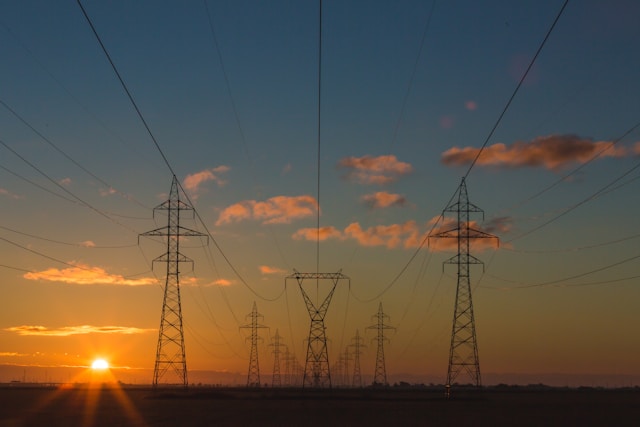
Energy is often called the lifeblood of modern economies, yet its influence goes far beyond powering homes, factories, and vehicles. Energy prices play a subtle but critical role in economic stability. From affecting inflation to shaping consumer behavior and influencing industrial output, energy costs serve as both a barometer and a driver of economic health. Understanding how energy prices operate as an economic stabilizer can shed light on their often underappreciated role in supporting long-term growth.
Energy Prices as a Direct Cost Factor
At its most basic level, energy is a core input in nearly all sectors of the economy. Electricity powers factories, natural gas heats homes, and oil fuels transportation networks. Changes in the cost of these resources ripple throughout the economic system. When energy prices are moderate and predictable, businesses can plan operations, maintain margins, and invest in expansion with confidence. Conversely, sudden spikes in energy costs can compress profits, reduce consumer purchasing power, and slow growth.
For households, energy costs influence discretionary spending. When heating, cooling, or gasoline expenses rise sharply, families tend to cut back on other purchases. Conversely, stable or declining energy prices leave more disposable income in the hands of consumers, which supports demand across a broad range of industries. Economists often describe this as a “real income effect”, where lower energy prices effectively increase household wealth and consumption potential, quietly stabilizing aggregate demand.
The Inflation Connection
Energy prices are closely linked to inflationary pressures. Historically, periods of energy price volatility, such as the oil shocks of the 1970s, have triggered broader price increases across economies. Since energy is embedded in nearly all production and transportation activities, rising costs tend to cascade into higher prices for goods and services.
Central banks and policymakers monitor energy price trends carefully. Moderate and predictable energy prices help keep overall inflation within target ranges, making monetary policy more effective. When energy prices are stable, central banks can set interest rates with greater confidence, reducing the likelihood of abrupt economic contractions or overheating. In this sense, energy costs serve as a quiet stabilizer, influencing both policy decisions and market expectations.
Energy Prices and Industrial Output
Industrial sectors are particularly sensitive to energy costs. Manufacturing, mining, and chemical production are energy-intensive industries where fuel or electricity can represent a significant share of operating expenses. Stable energy pricing allows manufacturers to predict costs, optimize production schedules, and manage supply chains effectively.
Consider the production of steel or aluminum: energy may account for 20–30% of total costs. Sudden increases in electricity or natural gas prices can force factories to curtail production or delay investments in new equipment. By contrast, predictable pricing encourages investment, capacity expansion, and hiring — all of which contribute to broader economic stability. In this way, energy costs indirectly support employment stability and industrial growth, creating a ripple effect that enhances overall economic resilience.
The Role of Energy Infrastructure
Infrastructure investments in energy, such as pipelines, power grids, and renewable facilities, also contribute to economic stability by buffering against price shocks. For example, diversified energy sources, including domestic oil and gas, renewables, and imported electricity, can reduce dependence on any single fuel or supplier. This diversification dampens price volatility, which in turn supports steady industrial output and consumer confidence.
Energy storage systems and smart grid technologies further smooth out fluctuations in supply and demand, mitigating the impact of temporary shortages or surges. By stabilizing the cost and availability of energy, these technologies play a subtle but critical role in keeping the economy on an even keel.

Global Energy Markets and Domestic Stability
Energy prices are determined by a mix of domestic production, international supply chains, and geopolitical factors. While global markets are inherently volatile, domestic energy production and reserves can act as stabilizing anchors. For instance, countries with abundant natural gas or oil reserves are better able to shield consumers and businesses from global price shocks. Likewise, investment in renewable energy sources, which have near-zero marginal costs, can help decouple domestic markets from global price swings, adding an additional layer of economic resilience.
Furthermore, energy-importing countries often pursue strategic reserves and hedging strategies to manage potential disruptions. By ensuring a consistent and affordable supply of energy, governments indirectly stabilize domestic economic activity, even amid global market turbulence.
Energy Prices and Consumer Behavior
Stable energy prices also influence consumer decision-making. When energy costs are predictable, households are more willing to make long-term investments, such as purchasing homes, appliances, or vehicles, that support economic growth. Volatile energy prices, on the other hand, can encourage caution, delaying purchases and reducing demand across multiple sectors.
For example, when gasoline prices are steady, commuters are more likely to maintain discretionary travel and spend on leisure, retail, and services. If energy costs spike unpredictably, these same consumers may cut back on nonessential expenditures, which can slow economic activity in downstream sectors. This connection illustrates how energy pricing subtly governs consumption patterns, influencing macroeconomic stability.
Energy Prices and Innovation
Interestingly, energy costs also drive technological innovation, which contributes to long-term economic resilience. Periods of high energy prices often spur investment in energy efficiency, alternative fuels, and clean technologies. These innovations can lower overall energy dependency, reduce costs over time, and enhance productivity across the economy.
For instance, businesses that adopt energy-efficient manufacturing equipment or logistics systems are better positioned to maintain profits and growth regardless of market fluctuations. Likewise, households that invest in efficient appliances or electric vehicles benefit from reduced exposure to price swings. By encouraging efficiency and innovation, energy prices indirectly support a more stable and adaptable economy.
Policy Implications
Policymakers understand the quiet but critical role of energy prices in economic stability. Effective energy policy involves:
- Monitoring global and domestic energy markets to anticipate shocks.
- Investing in infrastructure that ensures supply diversity and resilience.
- Supporting energy efficiency and renewable adoption to reduce future volatility.
- Implementing strategic reserves to buffer against temporary disruptions.
Such policies help maintain predictable energy costs, which in turn stabilize consumer behavior, industrial output, and inflationary expectations.
Energy Prices as an Underappreciated Stabilizer
While headlines often focus on stock markets, interest rates, or employment reports, energy prices quietly underpin many facets of economic stability. Their influence is broad: moderating inflation, guiding consumer and business decisions, stabilizing industrial output, and driving innovation.
When energy costs are stable and predictable, the economy benefits from greater confidence, higher investment, and smoother growth trajectories. Conversely, volatile energy markets can amplify risk, reduce discretionary spending, and strain industrial sectors.
In short, energy prices are more than a line item on a utility bill — they are a central pillar of economic resilience, subtly shaping the forces that allow economies to grow steadily, even in uncertain times. Recognizing their role helps policymakers, businesses, and consumers alike understand why energy policy and market stability are fundamental to a strong, enduring economy.