

Southeast Asia has emerged as one of the most dynamic regions in the global economy, and in 2026, its momentum shows no signs of slowing. Fueled by a young population, expanding middle class, strategic trade positioning, and rapid digital transformation, the region is redefining its role in global economics. Countries such as Vietnam, Indonesia, Philippines, Thailand, and Malaysia are at the forefront of this transformation, each contributing uniquely to a broader regional boom.
A Region on the Rise
In recent years, Southeast Asia has consistently outperformed many developed markets in terms of GDP growth. In 2026, the region continues to benefit from favorable macroeconomic conditions, including resilient domestic demand, diversified export markets, and strong foreign direct investment (FDI) inflows. Unlike economies heavily dependent on a single sector, Southeast Asia’s strength lies in its diversity, ranging from manufacturing and agriculture to services and digital innovation.
The Association of Southeast Asian Nations, known as ASEAN, plays a central role in coordinating economic integration. With over 650 million people and a combined GDP exceeding $3 trillion, ASEAN represents a powerful economic bloc that continues to attract global attention. Trade agreements, improved infrastructure, and regulatory harmonization have made the region increasingly accessible to investors.
Manufacturing and Supply Chain Shifts
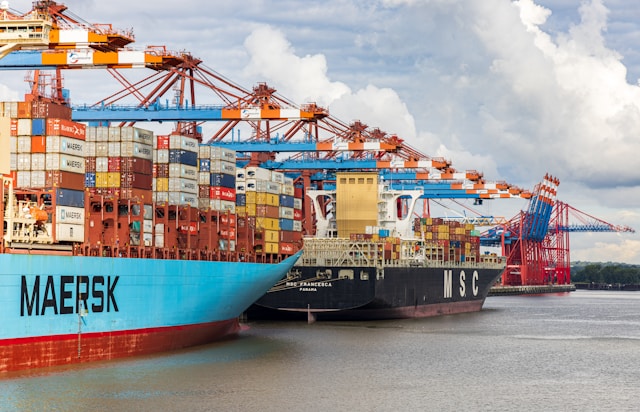
One of the defining drivers of Southeast Asia’s economic boom is the global realignment of supply chains. As companies seek alternatives to traditional manufacturing hubs, countries like Vietnam and Indonesia have become key beneficiaries. Lower labor costs, improving infrastructure, and business-friendly policies have positioned these nations as attractive destinations for multinational corporations.
Vietnam, in particular, has seen rapid growth in electronics and textile manufacturing, becoming a critical node in global supply chains. Indonesia, with its abundant natural resources and large domestic market, is investing heavily in downstream industries such as nickel processing and electric vehicle production.
This shift is not merely cyclical, it represents a structural change in global economics, where diversification and resilience are prioritized over concentration.
The Digital Economy Surge
Another major pillar of growth is Southeast Asia’s rapidly expanding digital economy. With high smartphone penetration and a tech-savvy population, the region has become a hotspot for innovation in e-commerce, fintech, and digital services.
Cities like Singapore and Jakarta are emerging as regional tech hubs, attracting startups and venture capital. Digital platforms are transforming how people shop, bank, and communicate, creating new economic opportunities and increasing productivity.
E-commerce platforms have seen exponential growth, particularly in Indonesia and the Philippines, where large populations and improving internet infrastructure are driving adoption. Meanwhile, fintech solutions are expanding financial inclusion, allowing millions of previously unbanked individuals to access financial services.
Beyond consumer applications, the digital economy is also transforming traditional industries. Small and medium-sized enterprises (SMEs), which form the backbone of many Southeast Asian economies, are increasingly adopting digital tools to reach wider markets, streamline operations, and improve competitiveness. From digital payments and cloud-based accounting to online marketplaces, these tools are lowering barriers to entry and enabling businesses to scale more efficiently.
Governments across the region are actively supporting this transformation through national digital strategies, investments in broadband infrastructure, and policies aimed at fostering innovation ecosystems. Initiatives focused on digital identity, cashless payments, and data governance are helping to build trust and accelerate adoption across both urban and rural areas.
At the same time, the rise of the gig economy and digital platforms is reshaping labor markets. Flexible work arrangements, online entrepreneurship, and remote services are creating new income opportunities, particularly for younger populations. However, this shift also introduces challenges around regulation, job security, and worker protections, requiring thoughtful policy responses.
From an economics perspective, this digital acceleration is not just enhancing efficiency, it is fundamentally reshaping market structures and consumption patterns. It is enabling leapfrogging in key sectors, reducing reliance on legacy systems, and positioning Southeast Asia as a leading digital growth engine in the global economy.
A Powerful Tailwind
Southeast Asia’s demographic profile is one of its greatest strengths. The region boasts a young and growing workforce, with a median age significantly lower than that of many developed economies. This demographic dividend supports long-term economic growth by providing a steady supply of labor and a growing consumer base.
In countries like the Philippines and Indonesia, rising incomes are fueling the expansion of the middle class. As disposable incomes increase, so does demand for goods and services, ranging from housing and education to healthcare and entertainment.
This consumption-driven growth model adds resilience to the region’s economics, reducing reliance on exports and making domestic markets increasingly important.
Infrastructure and Urban Development
Infrastructure development is another critical component of Southeast Asia’s economic boom. Governments across the region are investing heavily in transportation, energy, and urban development projects to support growth and improve connectivity.
Indonesia’s ambitious infrastructure programs, including new highways, ports, and even a planned capital city, are designed to unlock economic potential across its vast archipelago. Similarly, Vietnam and Thailand are expanding their transportation networks to facilitate trade and mobility.
These investments not only create jobs in the short term but also enhance long-term productivity, making the region more competitive in global economics.
Trade and Global Integration
Southeast Asia’s strategic location and openness to trade have long been key advantages. In 2026, the region continues to strengthen its position as a global trade hub through agreements such as the Regional Comprehensive Economic Partnership (RCEP), one of the largest trade deals in the world.
RCEP reduces tariffs, simplifies customs procedures, and promotes investment flows among member countries, further integrating Southeast Asia into the global economy. This level of integration enhances the region’s attractiveness to investors and reinforces its role in international supply chains.
Challenges and Risks
Despite its strong growth trajectory, Southeast Asia is not without challenges. Income inequality, environmental sustainability, and political stability remain key concerns. Rapid urbanization has placed pressure on infrastructure and public services, while climate change poses risks to agriculture and coastal communities.
In many major cities, population growth is outpacing infrastructure development, leading to congestion, housing shortages, and strain on transportation systems. For example, in Jakarta, persistent traffic congestion and flooding have highlighted the limits of existing urban infrastructure, prompting the Indonesia government to pursue the development of a new capital city. This illustrates how rapid growth, if not carefully managed, can create structural inefficiencies that ultimately weigh on productivity and quality of life.
Environmental pressures are equally significant. Many Southeast Asian economies rely heavily on agriculture, fisheries, and natural resources, making them particularly vulnerable to climate-related disruptions such as rising sea levels, extreme weather events, and changing rainfall patterns. These risks not only threaten livelihoods but also have broader implications for food security and export stability.
Additionally, global economic uncertainties, such as fluctuations in commodity prices, geopolitical tensions, or shifts in monetary policy in major economies like the United States, an impact capital flows, currency stability, and trade performance across the region. Export-oriented economies are sensitive to changes in global demand.
At the same time, institutional capacity and regulatory consistency vary across countries, which can affect investor confidence and the pace of reform. Ensuring transparency, strengthening governance, and maintaining policy continuity will be critical to sustaining momentum.
However, the diversity of Southeast Asia’s economies provides a degree of resilience, allowing countries to adapt to changing conditions. Different growth drivers, ranging from manufacturing and commodities to services and digital innovation, help buffer the region against localized shocks.
From an economics standpoint, managing these risks will be crucial to sustaining long-term growth and ensuring that the benefits of development are broadly shared. The region’s ability to balance rapid expansion with inclusive policies, environmental stewardship, and institutional strength will ultimately determine the durability of its economic rise.
The Investment Case
For investors, Southeast Asia represents a compelling opportunity. The combination of strong economic fundamentals, demographic advantages, and structural growth drivers makes the region attractive across multiple asset classes.
Real estate, infrastructure, manufacturing, and technology sectors all offer significant potential. The region’s ability to deliver both growth and diversification benefits has made it a focal point for global capital allocation.
Importantly, Southeast Asia’s economics are increasingly characterized by upward mobility and innovation. Rather than simply following established development paths, countries in the region are leapfrogging traditional models through technology and policy innovation.
Looking Ahead
As 2026 unfolds, Southeast Asia’s economic boom is set to continue, driven by a powerful combination of internal and external factors. The region’s adaptability, resilience, and openness to change position it well for the future.
In the broader context of global economics, Southeast Asia is no longer an emerging afterthought, it is a central player shaping the next phase of growth. Its rise reflects a shift toward a more multipolar global economy, where opportunity is increasingly distributed across regions.
For policymakers, businesses, and investors alike, understanding Southeast Asia’s trajectory is essential. The region’s story is not just one of growth, but of transformation, an evolution that will have lasting implications for the global economic landscape.