

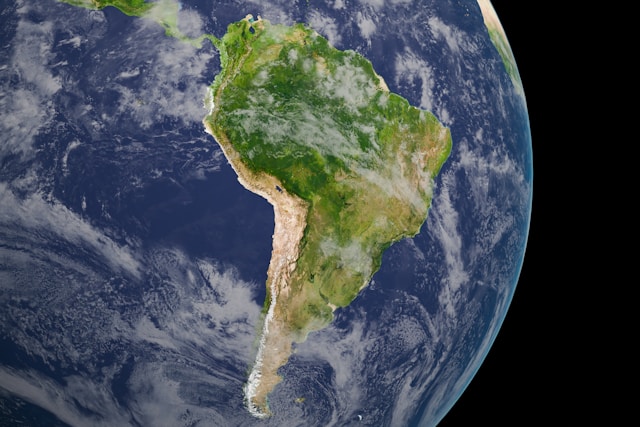
Latin America is a region defined by contrasts. It is rich in natural resources, home to dynamic cultures, and increasingly integrated into global markets. Yet it also faces persistent structural challenges that have limited its economic growth and long-term development. In recent years, the region has reached a critical juncture, balancing slow growth and fiscal pressures with emerging opportunities in innovation, green energy, and human capital development.
In fact, Latin America and the Caribbean are currently the slowest-growing regions globally, with projected growth hovering around 2–2.5% in the mid-2020s. This modest performance highlights the urgency of addressing long-standing economic constraints while capitalizing on new opportunities that could reshape the region’s future.
A Region Caught in Low Growth
One of the most pressing economic challenges facing Latin America is its persistent low growth rate. Unlike fast-growing regions in Asia, Latin America has struggled to sustain momentum over the past decade.
Reports from the Economic Commission for Latin America and the Caribbean indicate that the region has experienced growth rates of roughly 2.3% annually in recent years, a pattern often described as a “low-growth trap.”
Why Growth Has Stalled
Several structural factors contribute to this stagnation:
- Low productivity: Many industries rely on outdated technologies or low-value production
- Limited investment: Both public and private investment levels remain below global averages
- Dependence on commodities: Economies often rely heavily on exports like oil, copper, and agricultural goods
For example, countries such as Brazil and Chile have historically depended on commodity exports. When global prices decline, their economies slow significantly, exposing the vulnerability of this model.
Social Challenges
Latin America is one of the most unequal regions in the world. While progress has been made in reducing poverty, inequality remains deeply entrenched.
Brazil
Brazil has made strides in reducing poverty through social programs like Bolsa Família, yet income inequality remains high. Wealth concentration and unequal access to education continue to limit upward mobility.

Employment and Informality
A large portion of the workforce operates in the informal economy, meaning:
- Limited job security
- Lack of access to benefits
- Lower productivity
The World Bank notes that improving job quality and expanding formal employment are essential to long-term growth.
Fiscal Pressures and Public Debt
Another major challenge is fiscal sustainability. Many Latin American governments face high levels of public debt and limited fiscal space.
Key Issues Include:
- Rising interest payments
- Limited tax revenue collection
- High public spending demands
Countries like Argentina provide a clear example. Repeated debt crises and inflation have created economic instability, making it difficult to attract investment and maintain growth.
Infrastructure and Productivity Gaps
Infrastructure deficits remain a significant barrier to economic development.
Examples Across the Region:
- Transportation: Poor logistics networks increase costs for businesses
- Energy: Inconsistent energy supply affects industrial productivity
- Digital connectivity: Millions still lack reliable internet access
It’s estimated that around 17 million workers in the region lack adequate digital infrastructure, limiting their ability to participate in the modern economy.
Global Economic Pressures
Latin America is highly sensitive to global economic conditions. Factors such as interest rate changes, trade dynamics, and geopolitical tensions can have outsized effects.
Currency Volatility
Recent market movements show how global uncertainty impacts the region. Latin American currencies often fluctuate based on external factors like U.S. monetary policy or global conflicts.
This dependence makes economic planning more complex and increases vulnerability to external shocks.
Opportunities for Growth and Transformation
Despite these challenges, Latin America also presents significant opportunities. With the right policies and investments, the region can unlock new sources of growth.
The Rise of Green Energy
Latin America is uniquely positioned to benefit from the global transition to clean energy.
Chile
Chile has emerged as a leader in renewable energy, particularly in solar power and green hydrogen. The World Bank has supported projects aimed at developing a green hydrogen industry, which could position Chile as a global exporter of clean energy.
Why This Matters:
- Abundant natural resources (sun, wind, water)
- Growing global demand for clean energy
- Potential to attract foreign investment
Digital Transformation and Innovation
The digital economy represents another major opportunity.
Expanding Tech Ecosystems
Countries like Mexico, Colombia, and Brazil are seeing rapid growth in:
- Fintech startups
- E-commerce platforms
- Digital payment systems
Argentina
Argentina has developed a strong technology sector, producing globally recognized companies like MercadoLibre. This demonstrates how innovation can thrive even in challenging economic environments.
Human Capital Development
Investing in education and skills is critical for long-term growth.
Current Challenges:
- Skill gaps among young workers
- Unequal access to quality education
- Limited alignment between education and labor market needs
Progress in Action
World Bank-supported education programs have reached millions of students across the region, helping to improve digital and employability skills.
Improving human capital can boost productivity, attract investment, and create higher-quality jobs.
Regional Trade and Integration
Strengthening trade within the region and with global partners offers another path to growth.
Opportunities Include:
- Expanding regional supply chains
- Increasing exports of higher-value goods
- Leveraging trade agreements
Mexico
Mexico’s integration with North American supply chains has made it a key manufacturing hub, particularly in the automotive and electronics industries.
The Role of Public-Private Partnerships
Collaboration between governments and the private sector is essential for addressing many of the region’s challenges.
Key Areas of Impact:
- Infrastructure development
- Innovation and entrepreneurship
- Workforce training
The World Bank emphasizes that public-private partnerships are critical for boosting productivity and creating jobs.
Climate Resilience and Sustainability
Latin America is highly vulnerable to climate change, but this challenge also presents opportunities.
Risks:
- Extreme weather events
- Agricultural disruptions
- Rising sea levels in coastal areas
Opportunities:
- Investment in sustainable agriculture
- Development of climate-resilient infrastructure
- Expansion of renewable energy
Countries that successfully adapt can position themselves as leaders in sustainable development.
A Path Forward
To fully realize its potential, Latin America must address several key priorities:
Boosting Productivity
Encouraging innovation, improving competition, and investing in technology can help drive efficiency.
Increasing Investment
Policies that attract both domestic and foreign investment are essential for growth.
Strengthening Institutions
Transparent governance and effective institutions build trust and support economic stability.
Balancing Challenges and Opportunity
Latin America’s economic future will depend on its ability to navigate a complex landscape of challenges while seizing emerging opportunities. The region’s slow growth, inequality, and fiscal pressures are significant obstacles, but they are not insurmountable.
At the same time, opportunities in green energy, digital transformation, and human capital development offer a path toward sustainable and inclusive growth. Countries that embrace innovation, invest in people, and strengthen institutions will be best positioned to succeed.
Defining the Region’s Economic Future
Latin America stands at a crossroads. Its economic challenges are deeply rooted, but so too is its potential. With strategic reforms, targeted investments, and stronger collaboration between governments and the private sector, the region can move beyond its low-growth trajectory.
The coming years will be critical. Whether Latin America remains constrained by its structural limitations or emerges as a dynamic and competitive economic region will depend on the choices made today.