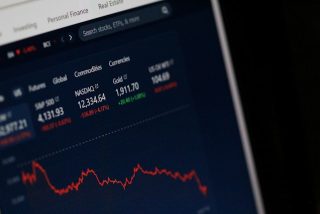


The movement of capital across borders is one of the most significant forces influencing the economic trajectories of nations and industries. Investors, corporations, governments, and international institutions are increasingly interconnected, and the global financial system that facilitates cross-border investment has grown in both scale and complexity. For emerging markets, capital flows are a critical driver of growth, innovation, and development, shaping everything from infrastructure investment to industrialization and job creation.
Global capital flows take multiple forms, including foreign direct investment (FDI) that funds factories and infrastructure, portfolio investment that supports stock and bond markets. Sovereign debt flows underpin government financing, and commercial bank lending enables corporate expansion. When aligned with robust economic fundamentals, these flows can accelerate industrialization, modernize infrastructure, and elevate living standards. Conversely, misaligned capital movements can amplify financial risk, destabilize currencies, and trigger economic crises.
Understanding how capital flows influence emerging market growth in 2026 requires more than just a theoretical perspective. It demands insight into investor behavior, geopolitical pressures, global monetary conditions, and the strategic responses of governments and corporations. For business leaders, investors, and portfolio managers, these dynamics directly impact valuations, market access, currency stability, and the long-term viability of investments.
Key Challenges and Risks
Emerging markets have historically depended on external capital to supplement domestic savings and investment. Foreign capital often funds infrastructure, supports technology transfer, and provides access to global supply chains. However, the volatility of global capital flows can profoundly affect economic stability, particularly in an era characterized by rapid interest rate shifts, geopolitical tensions, and fluctuating investor sentiment.
One of the most persistent risks is the phenomenon of “sudden stops,” in which capital inflows are abruptly reversed due to shifts in investor confidence or global financial conditions. Unlike predictable portfolio diversification, sudden stops can occur within weeks or even days, draining foreign reserves, weakening currencies, and forcing central banks into emergency interventions to maintain stability. Countries without robust policy buffers or deep domestic financial markets are especially vulnerable.
Currency volatility is another major concern. Capital entering an emerging market is often denominated in foreign currencies such as U.S. dollars or euros. Inflows can temporarily strengthen the local currency, boosting purchasing power and consumption. However, rapid outflows can sharply depreciate the currency, increasing the real cost of foreign-denominated debt and eroding corporate profits. This can have cascading effects on sovereign credit ratings, investor confidence, and overall economic stability.
Debt sustainability is an ongoing challenge in many emerging markets. Post-pandemic borrowing increased at both the sovereign and corporate levels to stimulate economic recovery. As global interest rates have risen, debt servicing costs have increased, straining fiscal positions. High levels of external debt, when coupled with falling export revenues or declining commodity prices, can reduce policy flexibility and heighten default risk.
Regulatory fragmentation adds another layer of complexity. Capital mobility is often shaped by national policies, which may either encourage or restrict flows. Tight capital controls can preserve reserves in the short term but deter long-term investment, whereas overly liberalized regimes can amplify inflows during favorable conditions and exacerbate outflows during crises.
For executives and investors, these macroeconomic and regulatory factors directly affect portfolio performance and operational outcomes, illustrating the stakes of mismanaged exposure.

Common Misunderstandings
Many investors and corporate decision-makers rely on simplified risk assessments, historical performance data, or headline economic indicators when evaluating emerging market exposure. While these tools provide some insight, they rarely capture the full scope of structural risk or the complexities of cross-border financial dynamics.
A frequent mistake is overreliance on short-term performance metrics. Strong GDP growth or booming stock markets can mask underlying vulnerabilities such as low foreign reserves, weak fiscal buffers, or overdependence on a single commodity. Market sentiment can shift rapidly, and gains achieved in favorable conditions may evaporate when global dynamics change.
Another common error is assuming that offshore investment funds or index inclusion guarantee stable entry points. Portfolio flows are inherently liquid and responsive to risk appetite; capital can exit as quickly as it enters. Investors treating these inflows as permanent can be caught off guard when global yields rise or geopolitical tensions escalate, leading to outsized losses.
Two emerging markets with similar economic statistics can present vastly different risk profiles based on governance, legal systems, and regulatory transparency. Ignoring these qualitative factors can result in misallocated capital in markets that appear statistically strong but are structurally fragile.
Currency hedging, tax treaty implications, cross-border remittance restrictions, and repatriation policies can materially affect project economics. Failing to anticipate these challenges can compromise long-term ROI, disrupt operations, and weaken shareholder value. The interconnected risk arising when multiple markets or financial instruments respond simultaneously to external shocks, such as a global commodity price decline.
Strategic Approach
Mitigating risks associated with global capital flows requires a multidimensional, professional approach. Effective capital management blends quantitative analysis with qualitative assessment of policy environments, institutional frameworks, and investor sentiment. By modeling scenarios across a range of economic conditions, organizations can anticipate potential bottlenecks, vulnerabilities, and opportunities before they materialize.
Stress testing across interest rate shifts, trade policy changes, currency interventions, and geopolitical events allows leaders to gauge resilience and prepare contingency strategies. Integrating country risk assessments with sectoral and project-level evaluations provides a nuanced view of structural vulnerabilities. For instance, capital behavior in extractive industries may differ markedly from that in technology or service sectors, impacting allocation decisions and investment strategy.
While professional expertise adds depth, individuals can adopt certain practices independently. Monitoring forward-looking indicators such as yield spreads, central bank reserves, and currency movements can provide early signals of changing risk conditions. Scenario analysis and sensitivity testing can highlight potential exposures and help refine investment or operational planning. Incorporating policy risk awareness, tracking potential tax changes, repatriation limits, and capital controls can further safeguard against unexpected losses.
This structured, proactive approach allows organizations and investors to identify markets with strong institutional frameworks, diversified revenue bases, and stable inflows. It also enables better timing of capital deployment and hedging strategies to mitigate volatility, ultimately supporting resilient growth and long-term strategic success.
Real-World Examples of Capital Flow Risk and Strategic Adjustments
A mid-sized technology firm based in North America illustrates the stakes of mismanaging capital exposure. Between 2019 and 2023, the company expanded into multiple emerging markets, guided primarily by GDP growth projections and consumer spending trends. Initially, the expansion appeared low-risk, but the firm underestimated the volatility of global capital flows.
In 2022, as global interest rates increased, foreign portfolio flows retreated from several target markets. Local currencies depreciated, reducing the value of repatriated earnings and impacting profit margins. Armed with this insight, it adjusted investment allocation toward countries with stronger institutional frameworks and more diversified economic bases. These adjustments safeguarded existing investments and revealed stable, opportunistic entry points for future growth.
Similarly, a high-net-worth investor exploring emerging market corporate debt initially focused on headline yields and growth projections. Upon deeper evaluation, considering balance of payments, reserve adequacy, and liquidity indicators, the perceived risk profile shifted. Structured oversight and strategic reallocation allowed the investor to avoid potential losses from sudden market repricings, preserving capital and realizing returns in more resilient markets.
Next Steps for Protecting Growth
Global capital flows will remain a critical driver of emerging market outcomes, but the stakes of mismanaged exposure are higher than ever. Surface-level analysis, while informative, rarely captures systemic risk, policy impact, or the interconnected nature of markets.
Mitigating these risks requires continuous monitoring of global financial conditions, scenario-based planning, and a nuanced understanding of policy, institutional, and market dynamics. By combining forward-looking analysis with robust risk assessment, organizations and investors can anticipate volatility, optimize exposure, and make informed strategic decisions.
In 2026 and beyond, navigating emerging market capital flows effectively will demand a proactive and structured approach. Organizations that integrate data-driven monitoring, policy foresight, and scenario modeling into their investment or operational strategies are best positioned to capitalize on growth opportunities while minimizing financial and operational risk. Success will favor those who treat capital flows not as abstract financial movements but as a core factor shaping strategic growth, operational resilience, and long-term economic performance.

Navigating Capital Flows for Sustainable Emerging Market Growth
Global capital flows are among the most influential forces shaping the economic trajectory of emerging markets, determining which countries, sectors, and companies thrive in an increasingly interconnected financial system. As the landscape demonstrates, these flows can serve as powerful catalysts for industrialization, infrastructure development, and job creation when aligned with sound economic fundamentals.
However, the volatility inherent in cross-border investment, exacerbated by interest rate fluctuations, geopolitical tensions, and shifting investor sentiment means that mismanaged exposure can quickly destabilize currencies, inflate debt burdens, and threaten long-term growth.
Capital movements affect everything from currency stability and creditworthiness to market valuations and operational feasibility. Sudden stops, currency swings, and policy shifts can erode returns within weeks, underscoring the need for strategic foresight rather than reactive decision-making.
Emerging markets often present layered risk profiles that combine macroeconomic vulnerabilities, regulatory fragmentation, and sector-specific sensitivities, making simplistic or short-term assessments insufficient for managing exposure.
Effective management of global capital flows requires a multidimensional approach. Scenario modeling, stress testing, and integration of country-, sector-, and project-level risk assessments enable organizations to anticipate potential bottlenecks and respond proactively.
Even without professional oversight, investors and executives can implement forward-looking measures such as monitoring central bank reserves, tracking yield spreads, and incorporating policy risk into strategic planning to gain an early warning of changing market conditions. Yet the complexity of interconnected global markets makes professional guidance invaluable for translating data and policy insights into actionable strategies.
Looking ahead, the ability to navigate global capital flows will continue to differentiate successful participants in emerging markets. Organizations and investors that approach capital movements as a strategic factor, not merely a financial input, will achieve more resilient growth, capitalize on expansion opportunities, and maintain operational stability in dynamic environments. By combining careful risk assessment, proactive monitoring, and strategic planning, stakeholders can transform the challenges of capital volatility into opportunities for sustainable development and long-term economic performance.
In sum, emerging markets present both immense potential and significant risk, and the management of capital flows lies at the heart of realizing that potential. Success in 2026 and beyond will favor those who approach investment and operational decisions with rigor, foresight, and an appreciation of the structural forces that shape cross-border financial dynamics. Those who do so will be best positioned to harness global capital not as a source of uncertainty, but as a driver of durable, strategic growth.